As someone who has experienced chronic lower back pain on and off for the past 18 years, I have come to appreciate just how multifaceted pain can be. My personal journey through injury and rehabilitation played a significant role in my decision to study Exercise Physiology. It wasn’t until I began learning more about chronic pain science that I truly understood an important truth: chronic pain does not discriminate. While anyone can experience it, there are certain factors that can significantly influence how pain is perceived and experienced.
Pain is not always predictable
If you keep a weekly pain diary, you may find your pain often fluctuates throughout the week. You may notice it is worse in the morning, or that flare-ups appear without any clear pattern. What is important to understand, however, is that your underlying physical injury or tissue damage does not typically change dramatically from one day to the next.
So, why does your pain vary?
The answer lies in the fact that pain is influenced by far more than just tissue health. A wide range of lifestyle, psychological, and environmental factors can amplify or dampen pain signals.
Lifestyle factors that can influence pain
Some commonly overlooked contributors to pain include:
Stress levels
Hydration
Sleep quality and quantity
Nutrition (high inflammatory foods)
Alcohol consumption
Environment (such as work or home settings)
Temperature and heat exposure
Financial stability and life stressors
Other injuries or areas of pain
Exercise habits and physical activity levels
Understanding of pain science and education
These factors interact with the nervous system and can significantly alter how pain is processed and perceived, even when the physical tissues remain unchanged.
Improving pain outcomes through exercise intervention
So ,how can we improve pain outcomes through exercise?
The answer may be simpler than expected: education.
A strong understanding of pain science empowers individuals to recognise that pain does not always equal damage. Learning how lifestyle factors influence the nervous system allows for better decision-making around movement, exercise, recovery, and daily habits. When combined with appropriate exercise intervention, education can reduce fear, improve confidence in movement, and ultimately lead to better pain management outcomes.
The more we understand pain and the factors that influence it, the more control we can regain over our bodies and our lives.
Although this may feel overwhelming, the more factors that influence pain, the more potential avenues for recovery! As well as increased self-confidence and self-efficacy- not so reliant on health practitioners
If we can learn how pain works, we generally will hurt less.
How can an Exercise Physiologist help?
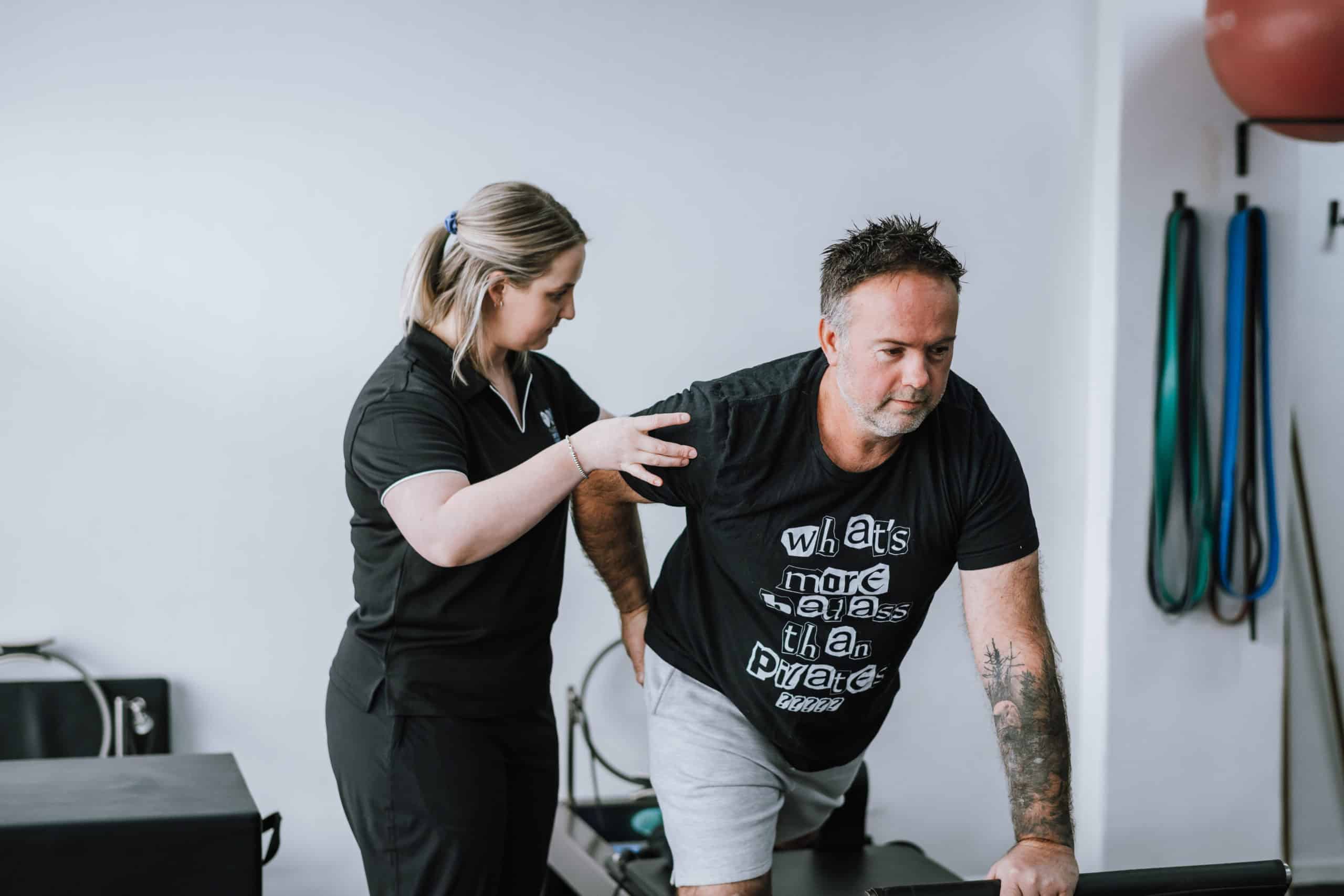
Living with chronic back pain has shaped the way I approach pain management in the clinic. My initial assessments always begin with education – helping patients understand pain and gently unpacking the beliefs they may hold about their own bodies. When patients learn more about what their pain means (and what it doesn’t), fear around movement often begins to ease. This education creates space for patients to let go of perfectionism and start exploring movement with curiosity rather than caution. As an Exercise Physiologist, I aim to give patients permission to move again – safely, confidently, and with the reassurance of guidance and supervision.

May Williams
Accredited Exercise Physiologist