
What Are the Top 3 Injuries in New Runners?

Starting a running journey is thrilling, but it comes with a surprise: your body goes through a massive physical transformation that goes way beyond heavy breathing and jelly legs.
Most running injuries come down to one simple culprit: overload. When you start running, different parts of your body adapt at completely different speeds.
Your heart and lungs rapidly adjust to the new cardiovascular demands, making you feel fitter surprisingly fast. However, your tendons, ligaments, and bones adapt at a much slower rate.
The Role that Exercise can play with our Mental Health
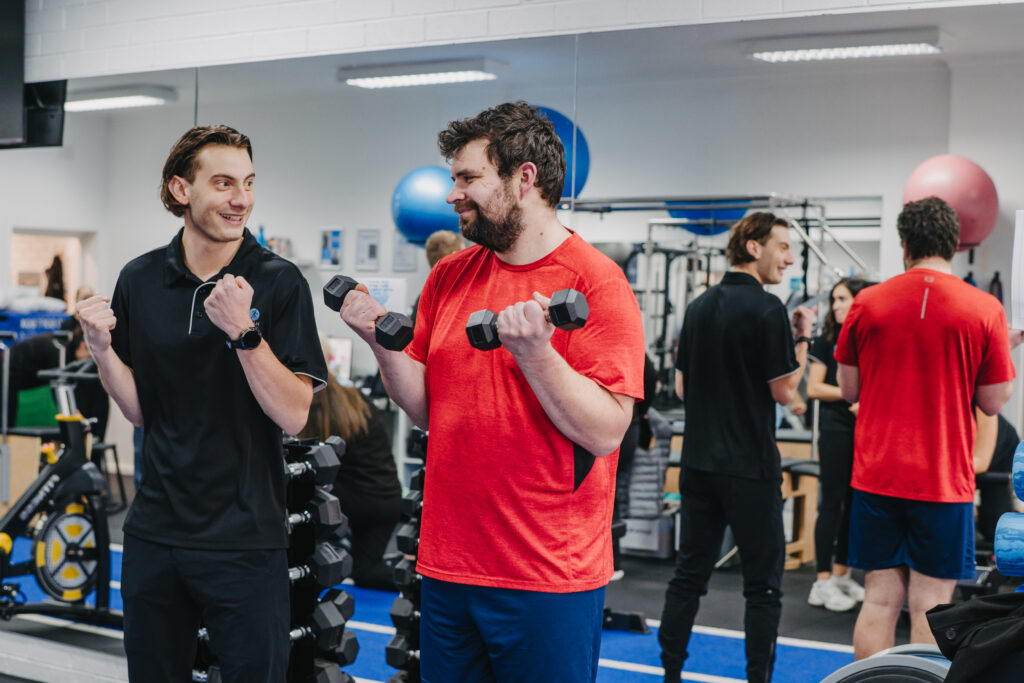
Later this year I’ve decided to sign up for the Nike Half Marathon and to fundraise as much as I can for Movember for Men’s Mental Health.
As someone who has seen firsthand people suffering from depression and anxiety especially in men, I’ve wanted to raise as much awareness as I can and for me what better way than to run and spread awareness!
GLP-1 Weight Loss Medications: How Diet and Exercise Support Long-Term Success

GLP-1 medications such as Ozempic, Wegovy and Mounjaro can support significant weight loss by reducing appetite, slowing digestion and improving blood sugar regulation. However, long-term success depends on more than appetite suppression alone. Adequate protein, fibre, hydration, micronutrients and progressive resistance training can help protect muscle, support bone health, reduce side effects and improve weight maintenance.
Chronic Pain: Factors Influencing Pain You May Not Have Considered
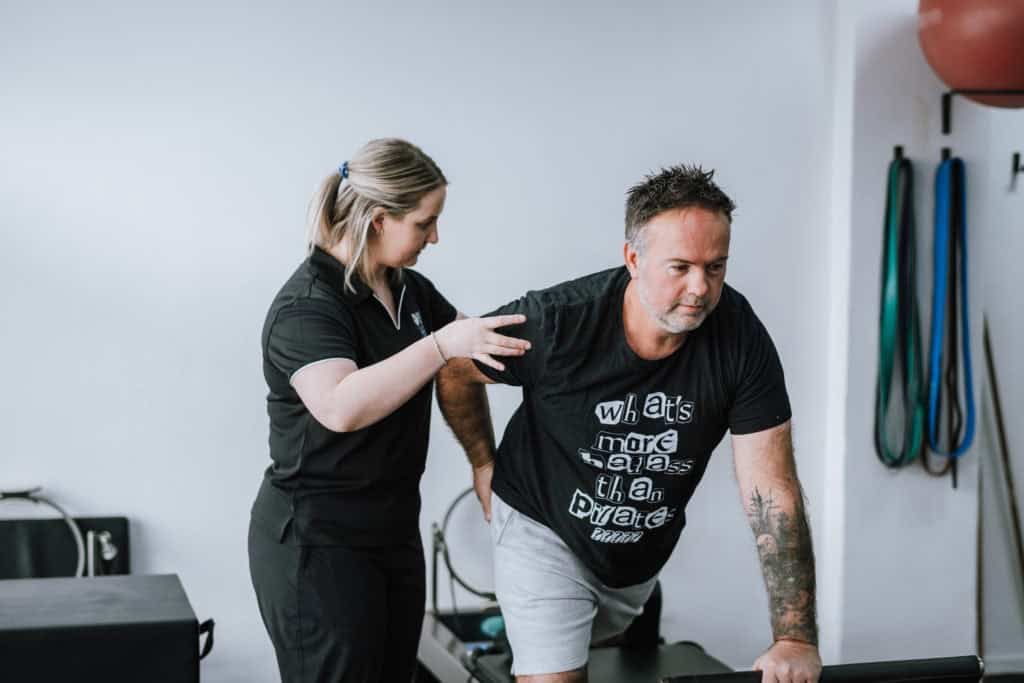
Chronic pain is commonly defined as pain that persists beyond the normal tissue healing timeframe of approximately three to six months. However, for those who live with it, chronic pain extends far beyond a simple definition – it can affect physical function, emotional wellbeing, and daily life in complex and often unexpected ways.
How I’m preparing for the Nike Half Marathon as an Exercise Physiologist

As an Exercise Physiologist and avid runner, I often find myself getting caught up in the complexities of social media and seeing numerous different running programs that tell us “you should do this” and “you must have these shoes”.
Social media often portrays an image that is either unrealistic or targeting a very niche market of elite athletes.
For myself, I find that these methods work for helping with my running journey and planning for my half marathons.
Is it time for a new Clinical Class program?
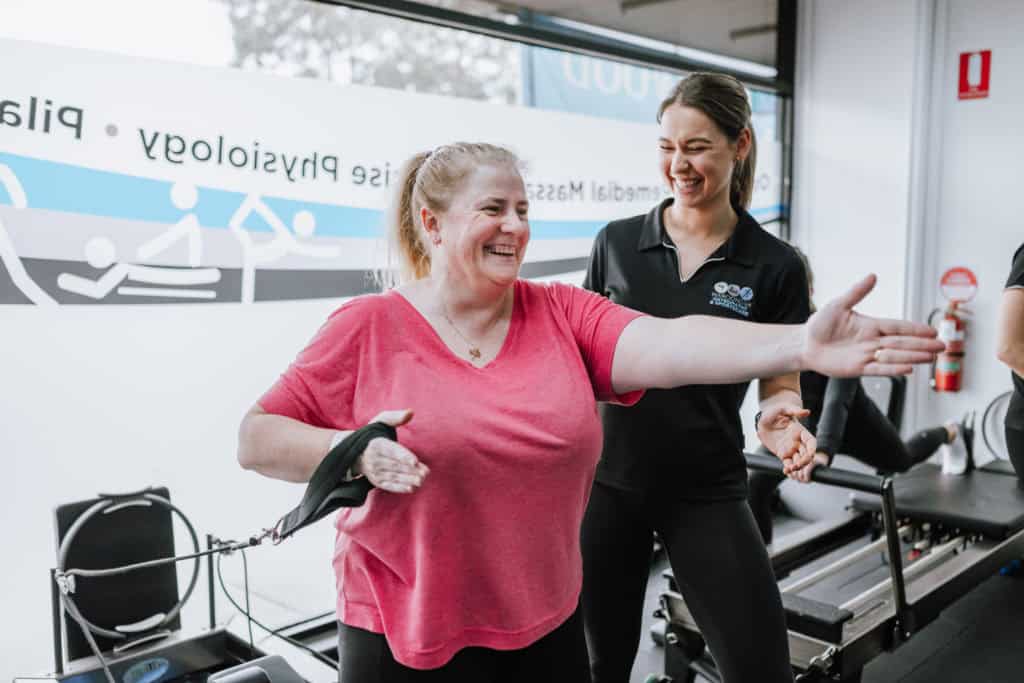
Unsure about why we set goals, review your program and update your program? Continue reading and I hope to have your question answered!
The Dreaded ACL Injury: How do we prevent it?

The Anterior Cruciate Ligament (ACL) is a major ligament of the knee joint for stability as it absorbs up to 85% of the load that passes through the knee. Unfortunately, it is highly susceptible to injury during sports that require rapid stopping, cutting and changing direction- it can also occur in daily life under similar circumstances. The immediate state of injury, the high economic costs, time associated with surgery and long-term rehabilitation can have a large impact on a quality of life and functional ability Therefore, prevention is often far better than a cure in these circumstances to allow you to stay fit and healthy.
Healthy Shoulders
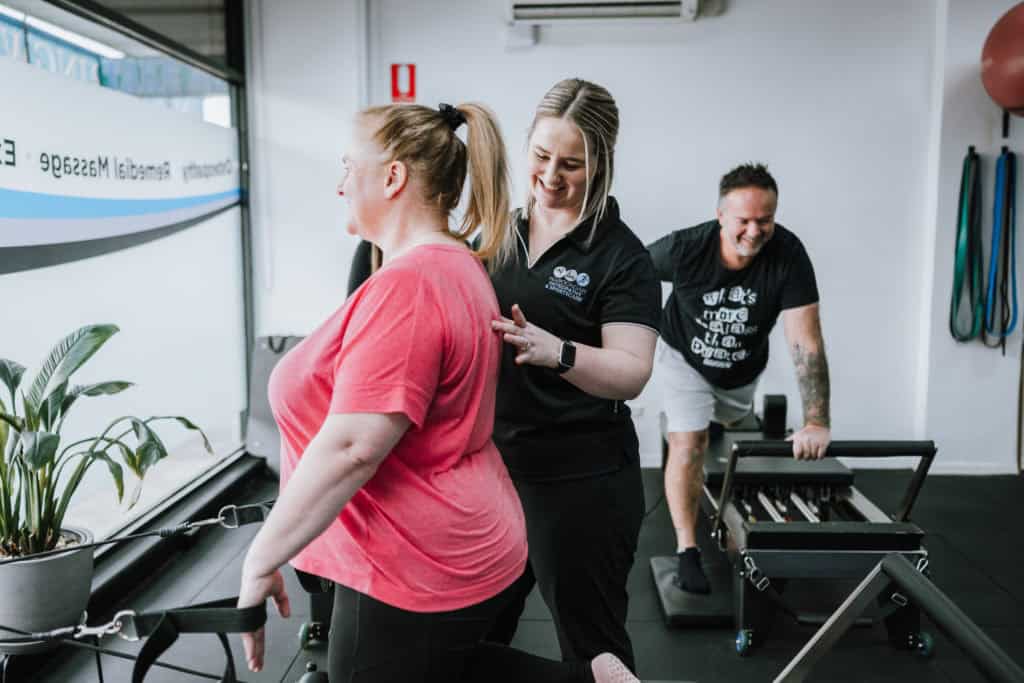
Can you reach your arms above your head? Wash your hair? Hang the washing up? Reach up to that really high cabinet and put the mugs away? Do your shoulders cause you pain?
When it comes to overall health and fitness, we often focus on our core, legs or cardiovascular fitness but we often forget about the health of our shoulders. Whether you’re lifting weights, playing sports, or simply going about daily activities, healthy shoulders are essential to keeping you moving without pain or injury.
Mindfulness and Breathwork

Mindfulness and ‘Just Breathe’
How many times have you heard these two terms?!
Mindfulness is a type of meditation. It is the quality of being present and fully engaged with
whatever we’re doing at that given moment, free from distraction or judgment, and aware
of our thoughts and feelings without getting caught up in them.
The Bendy Body: Strength Training For The Management Of Hypermobility
Hypermobility is the ability to move joints beyond the normal range of motion. This can be present in a few joints (localised hypermobility) or can be more widespread (generalised hypermobility). Whilst flexible joints may seem advantageous, those with hypermobility may experience joint pain, instability, fatigue, poor body awareness, clumsiness and potential joint subluxations and dislocations.