The good news is that practical nutrition and exercise strategies can help support steadier energy, improve insulin sensitivity and reduce the intensity of cravings.
Why can PCOS cause sugar cravings?
PCOS is a hormonal and metabolic condition that may involve irregular menstrual cycles, higher androgen levels, acne, changes in hair growth and insulin resistance. Insulin helps move glucose from the bloodstream into cells for energy. When cells respond less effectively to insulin, the body may produce more of it to keep blood glucose within range. Insulin resistance can occur across body sizes and should not be reduced to an assumption that someone simply needs to lose weight [1, 2]. Higher androgen levels and low-grade inflammation may also affect insulin signalling [3]. Research describes the relationship between PCOS and insulin resistance as complex and potentially two-way [4].
After a carbohydrate-rich meal or snack, blood glucose naturally rises. If the meal is low in protein, fibre or healthy fats, energy may feel less sustained and hunger can return sooner. The brain may then prompt a preference for quick-energy foods. This does not mean sugar is “addictive” or that cravings reflect poor willpower; cravings are influenced by physiology, meal timing, sleep, stress, food access and individual habits.
How can nutrition help manage PCOS sugar cravings?
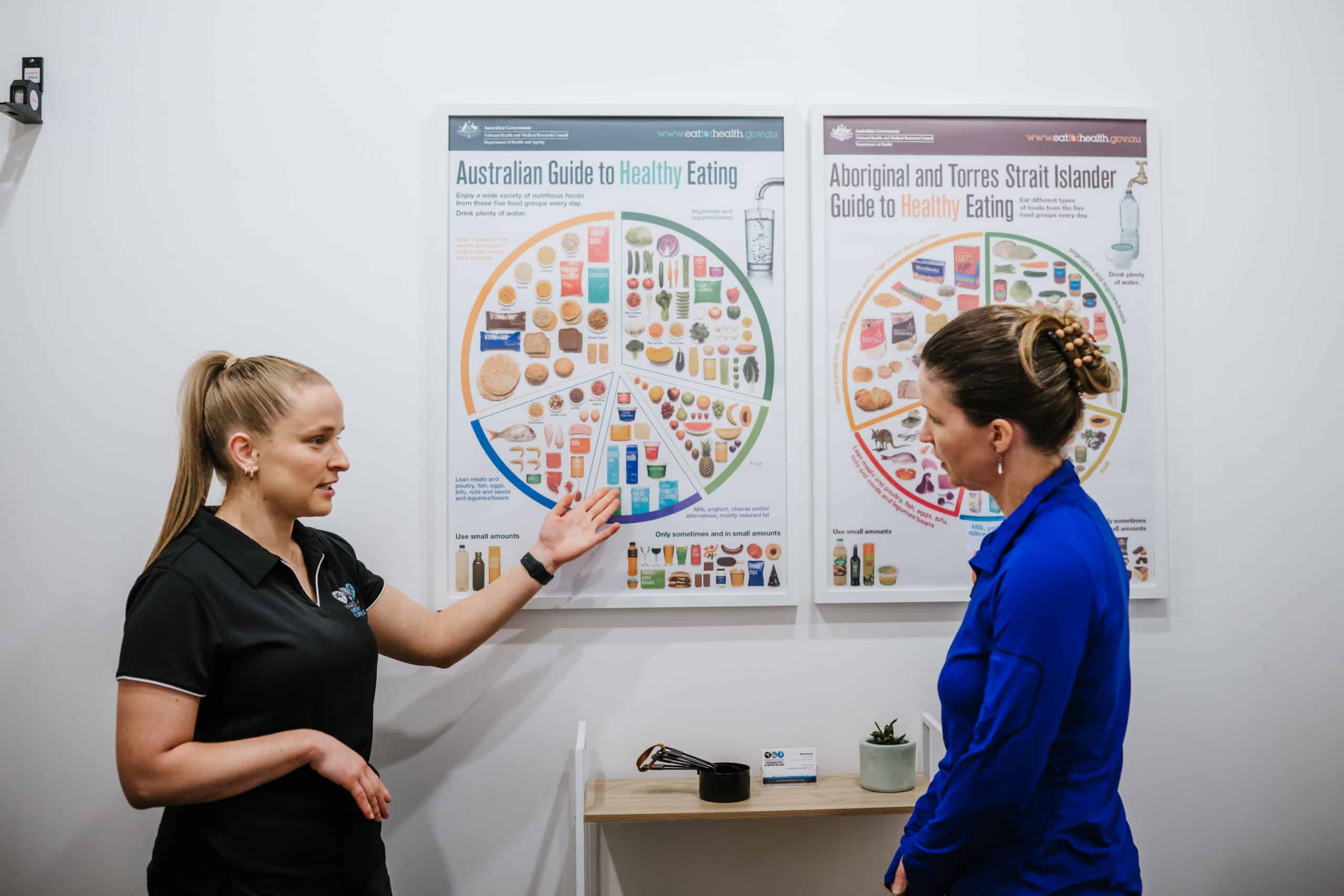
A balanced eating pattern can support steadier energy and greater satisfaction between meals. Rather than avoiding carbohydrates, pair them with protein, fibre and healthy fats. Choose higher-fibre carbohydrate foods often, such as whole grains, legumes, fruit and vegetables. These foods are generally digested more gradually and can support a slower release of glucose into the bloodstream [5]. Regular meals may also help prevent the intense hunger that can make quick-energy foods more appealing.
Easy snack combinations:
- Greek yoghurt with a lower-sugar muesli or oats
- Apple slices with peanut or almond butter
- Wholegrain crackers with cheese or tuna
- Fruit with a handful of nuts or seeds
Can exercise reduce sugar cravings in PCOS?
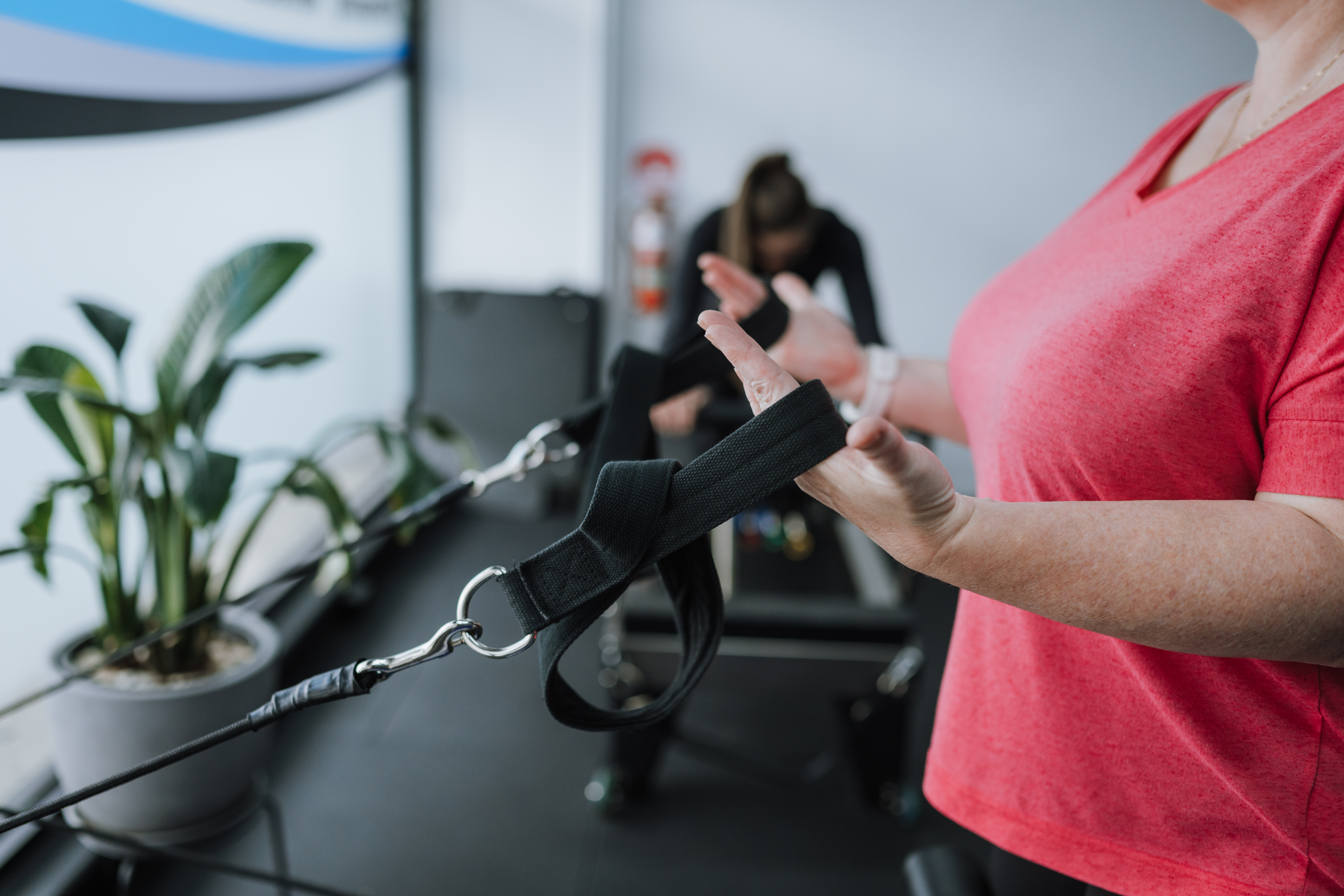
Exercise can improve insulin sensitivity and help working muscles use glucose for energy. Over time, this may support more stable blood glucose, energy and appetite. Exercise can also support sleep, stress management and overall wellbeing—factors that may influence cravings.
How exercise supports blood glucose and appetite
Regular movement may help in three practical ways:
- Improves glucose uptake: Contracting muscles can take up glucose during activity, and regular exercise can improve insulin sensitivity over time.
- Supports stress regulation: Appropriately dosed exercise can reduce stress and provide an alternative response to stress-related eating.
- Supports overall metabolic health: Consistent physical activity benefits cardiovascular fitness, muscle health and daily energy.
What type of exercise is best for PCOS?
- Resistance training: Two to three sessions per week can build and maintain muscle, which supports glucose storage and insulin sensitivity. Start at a manageable level and progress gradually.
- Aerobic and low-impact movement: Walking, cycling, swimming, Pilates and yoga can all contribute. The most useful plan is one that matches your health, preferences and recovery needs and can be maintained consistently.
Do you need to avoid high-intensity exercise?
- Not necessarily. High-intensity exercise can suit some people with PCOS. Problems are more likely when training volume is too high for current fitness, sleep, fuelling or recovery. An exercise physiologist can help tailor intensity and progression to your symptoms, goals and health history.
When should you seek professional support?
If cravings are frequent, distressing or accompanied by symptoms such as marked fatigue, changes in menstrual cycles or concerns about blood glucose, speak with your GP. An accredited practising dietitian can provide personalised nutrition support, while an accredited exercise physiologist can design a safe and achievable exercise plan. Together, these allied health professionals can help address the whole picture rather than relying on restrictive diets or one-size-fits-all exercise advice.
References

Otto Cordier
Accredited Exercise Physiologist
Bella Rennick
Accredited Practising Dietitian