Key Takeaways
- GLP-1 medications can reduce appetite and support clinically meaningful weight loss.
- Rapid weight loss can include muscle and bone loss if nutrition and exercise are not prioritised.
- Progressive resistance training helps preserve muscle mass, strength, mobility and bone density.
- Protein, fibre, hydration and micronutrients are key nutrition priorities while appetite is reduced.
- Support from a dietitian and exercise physiologist can help improve long-term outcomes.
What Are GLP-1 Medications?
GLP-1 stands for glucagon-like peptide-1, a natural hormone released by the gut after eating. It helps regulate blood sugar, digestion and appetite by stimulating insulin release, reducing glucagon release, slowing gastric emptying and signalling fullness to the brain.
GLP-1 receptor agonist medications, including Ozempic, Wegovy and Mounjaro, mimic this natural hormone. They are commonly used by people living with type 2 diabetes, obesity, overweight conditions or cardiovascular risk factors.
How Do GLP-1 Medications Help With Weight Loss?
GLP-1 medications help with weight loss by increasing fullness, reducing hunger, slowing stomach emptying and reducing overall food intake. Many people also notice less “food noise”, fewer cravings and improved control around eating.
While this can be very effective, eating significantly less can also make it harder to meet the body’s needs for protein, fibre, vitamins, minerals and fluid. This is why medical, nutrition and exercise support are important parts of a long-term plan.
What Are the Common Side Effects of GLP-1 Medications?
Common side effects of GLP-1 medications are usually gastrointestinal, especially when starting treatment or increasing the dose. These may include nausea, vomiting, diarrhoea, constipation, reflux and abdominal discomfort.
If side effects make eating difficult, it may help to eat smaller, more frequent meals, eat slowly, avoid very greasy or heavy foods, sip fluids regularly and stop eating when comfortably satisfied. Always speak with your prescribing doctor or pharmacist if side effects are severe, persistent or worsening.
Can GLP-1 Medications Cause Muscle Loss?
Yes. Rapid weight loss can involve loss of both fat mass and lean muscle mass. Without a proactive plan, a meaningful portion of total weight lost on GLP-1 medication may come from muscle, not just fat.
Muscle matters because it supports strength, balance, mobility, metabolism and long-term weight maintenance. Rapid weight loss may also affect bone mineral density, which can increase the risk of osteopenia, osteoporosis and fractures over time.
How Can Exercise Help While Taking GLP-1 Medication?
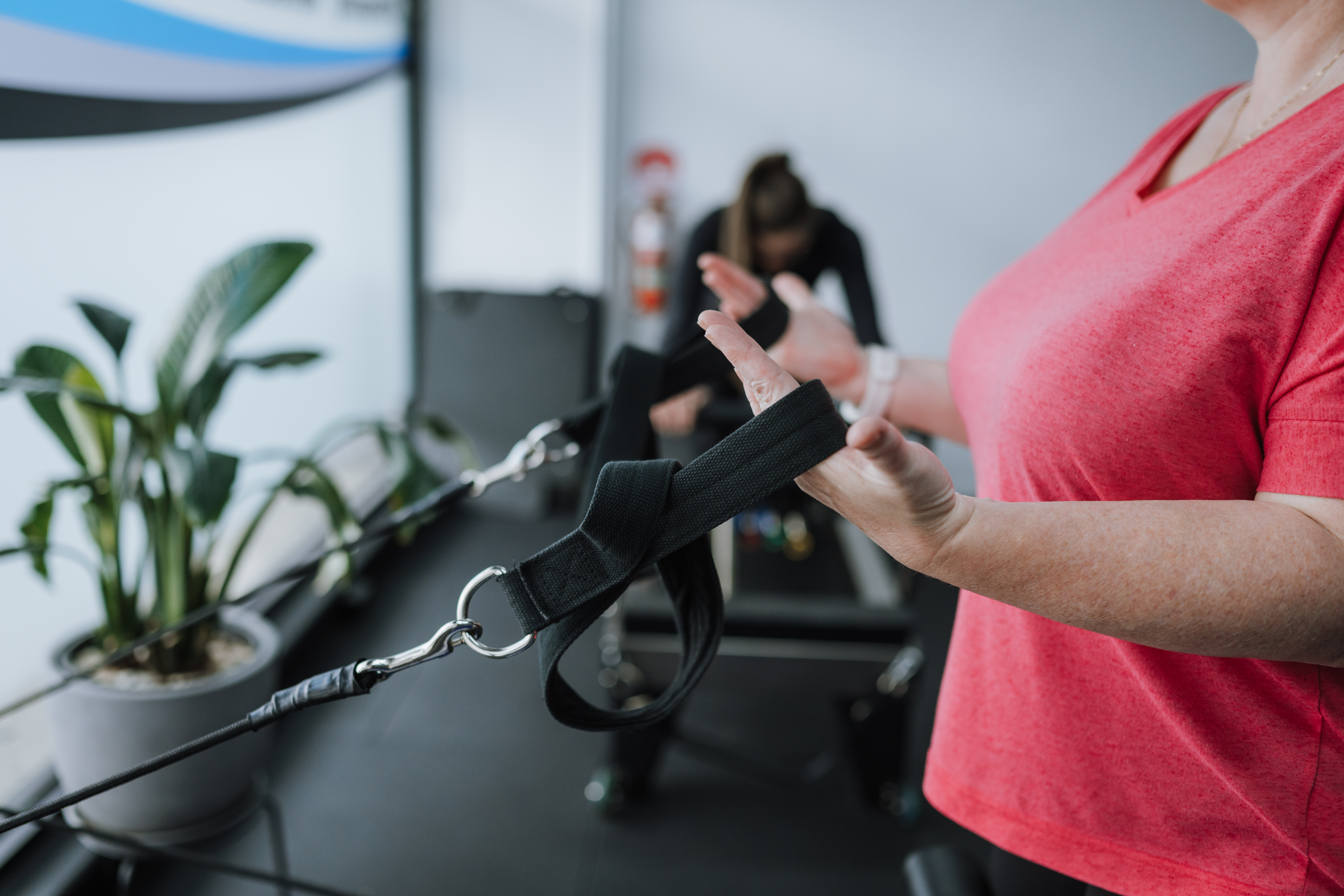
Exercise, especially progressive resistance training, helps signal the body to preserve and build muscle during weight loss. It also supports bone density, joint stability, balance, metabolic health, energy levels and everyday function.
An Accredited Exercise Physiologist can design a safe, personalised strength program based on your health history, fitness level, symptoms, goals and medication stage. This is especially helpful if you are losing weight quickly, feeling fatigued or unsure how to exercise safely.
What Should You Eat While Taking GLP-1 Medication?
While taking GLP-1 medication, prioritise protein, fibre, hydration and nutrient-dense foods. Because appetite is often reduced, every meal and snack should help meet your nutrition needs rather than simply reducing calories.
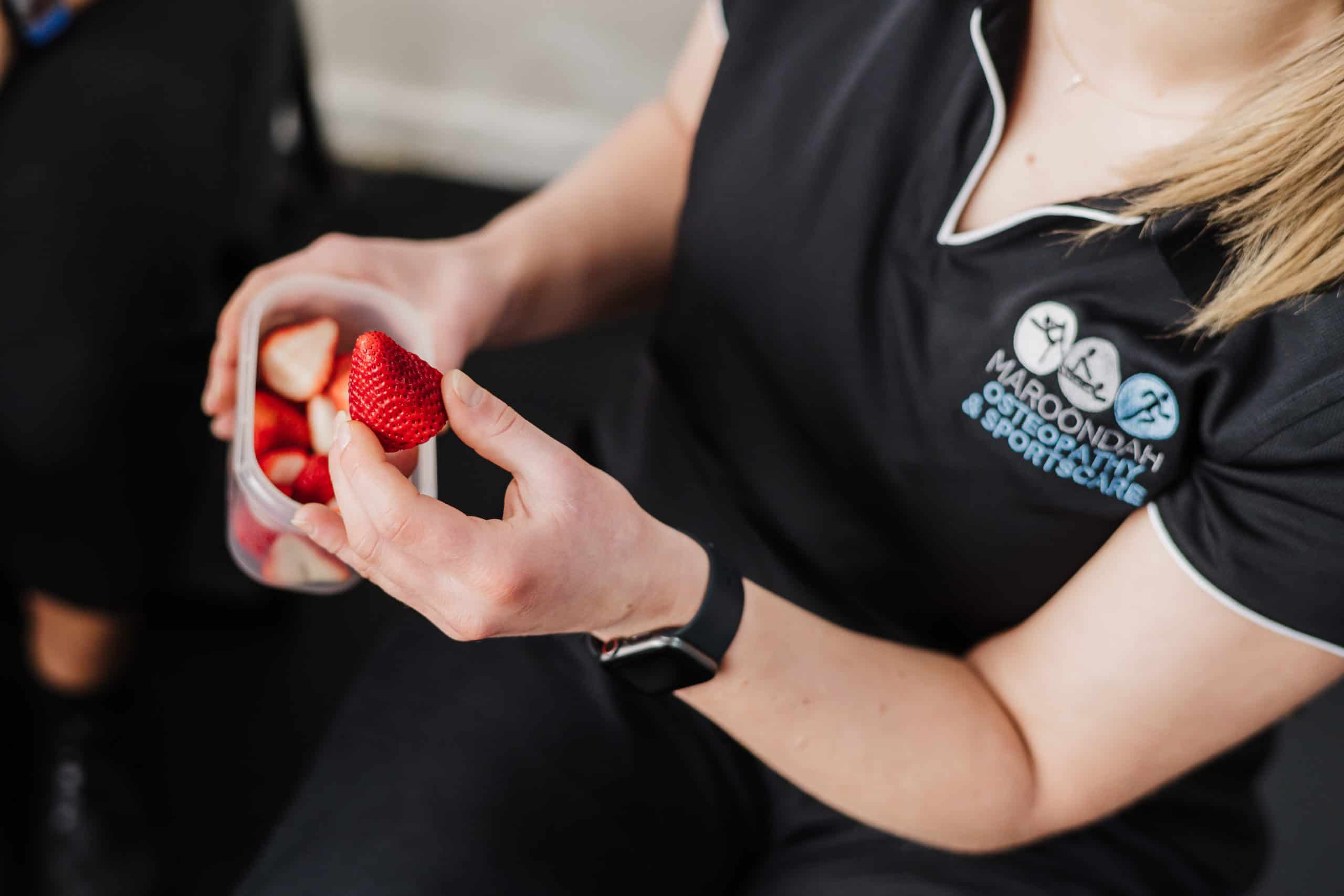
Protein: Include protein-rich foods such as eggs, Greek yoghurt, lean meat, fish, tofu, cottage cheese or a protein supplement if solid foods are difficult.
Fibre: Increase fibre gradually through vegetables, fruit, oats, wholegrains, legumes, nuts and seeds.
Hydration: Sip fluids regularly across the day and include nourishing fluids such as soup or milk if appetite is low.
Micronutrients: Pay attention to iron, B12, calcium, vitamin D, zinc, magnesium and folate, as smaller portions can reduce overall nutrient intake.
How Can a Dietitian Help With GLP-1 Medication?
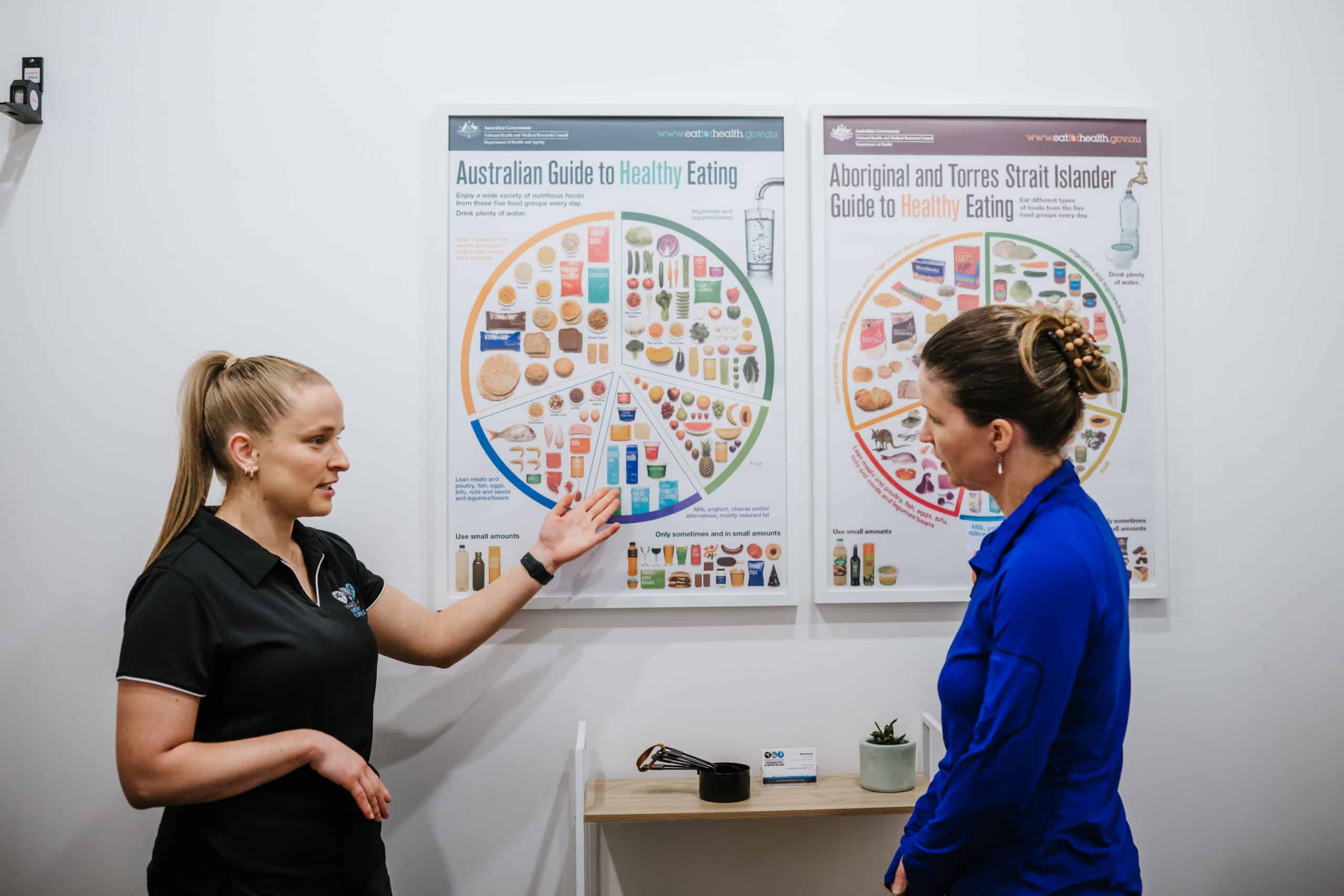
A dietitian can help you eat enough of the right foods while your appetite is reduced. This may include planning protein intake, managing nausea or reflux, improving constipation, preventing nutrient deficiencies and building realistic eating routines that can continue beyond the medication.
Dietitian support is particularly useful if you are skipping meals, losing weight rapidly, struggling with side effects, feeling fatigued, exercising more, or planning to reduce or stop the medication in the future.
How Can You Maintain Weight Loss After GLP-1 Medication?
Maintaining weight loss after GLP-1 medication requires sustainable habits, not just ongoing appetite suppression. Strength training, adequate protein, regular meals, high-fibre foods, hydration, sleep, stress management and realistic routines all play a role.
A comprehensive plan should focus on protecting muscle, supporting metabolic health and building confidence around food and movement. This makes it easier to maintain progress if medication doses change or treatment stops.
Frequently Asked Questions
What should I eat while taking GLP-1 medication?
Prioritise protein, fibre-rich foods, hydration and nutrient-dense meals. Smaller, more frequent meals may be easier to tolerate if you feel full quickly or experience nausea.
How much protein do I need on GLP-1 medication?
Protein needs vary based on body size, medical history, activity level and goals. As a practical starting point, include a protein-rich food at each meal or snack and speak with a dietitian for personalised targets.
Should I exercise while taking GLP-1 medication?
Yes. Exercise, especially progressive resistance training, can help preserve muscle mass, support bone density, improve energy and make long-term weight maintenance easier.
Can a dietitian help with Ozempic, Wegovy or Mounjaro?
Yes. A dietitian can help you meet your nutrition needs, manage side effects, prevent deficiencies and build eating habits that support long-term health while using GLP-1 medication.
What happens when you stop taking GLP-1 medication?
Appetite and cravings may increase when medication is reduced or stopped. Having established nutrition, exercise and lifestyle routines can help support weight maintenance and reduce the likelihood of regaining weight.
Book Support From a Dietitian and Exercise Physiologist
If you are taking or considering GLP-1 medication, working with a dietitian and exercise physiologist can help you protect muscle, manage side effects and build a sustainable plan for long-term health.
Medical Disclaimer
This article is general information only and does not replace medical advice. Always speak with your GP, prescribing doctor or pharmacist before starting, stopping or changing medication.

Otto Cordier
Accredited Exercise Physiologist
Bella Rennick
Accredited Practising Dietitian